Skip to content

Reducing carbon in construction is vital, and timber plays a key role, but we need to be clear about what we mean and how we calculate it.
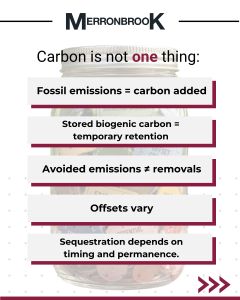
Across construction projects, different types of carbon and mechanisms (fossil emissions, stored carbon in timber, avoided emissions, sequestration, and offsets) are often grouped under “embodied carbon.” While simplification is tempting, it can obscure important distinctions.
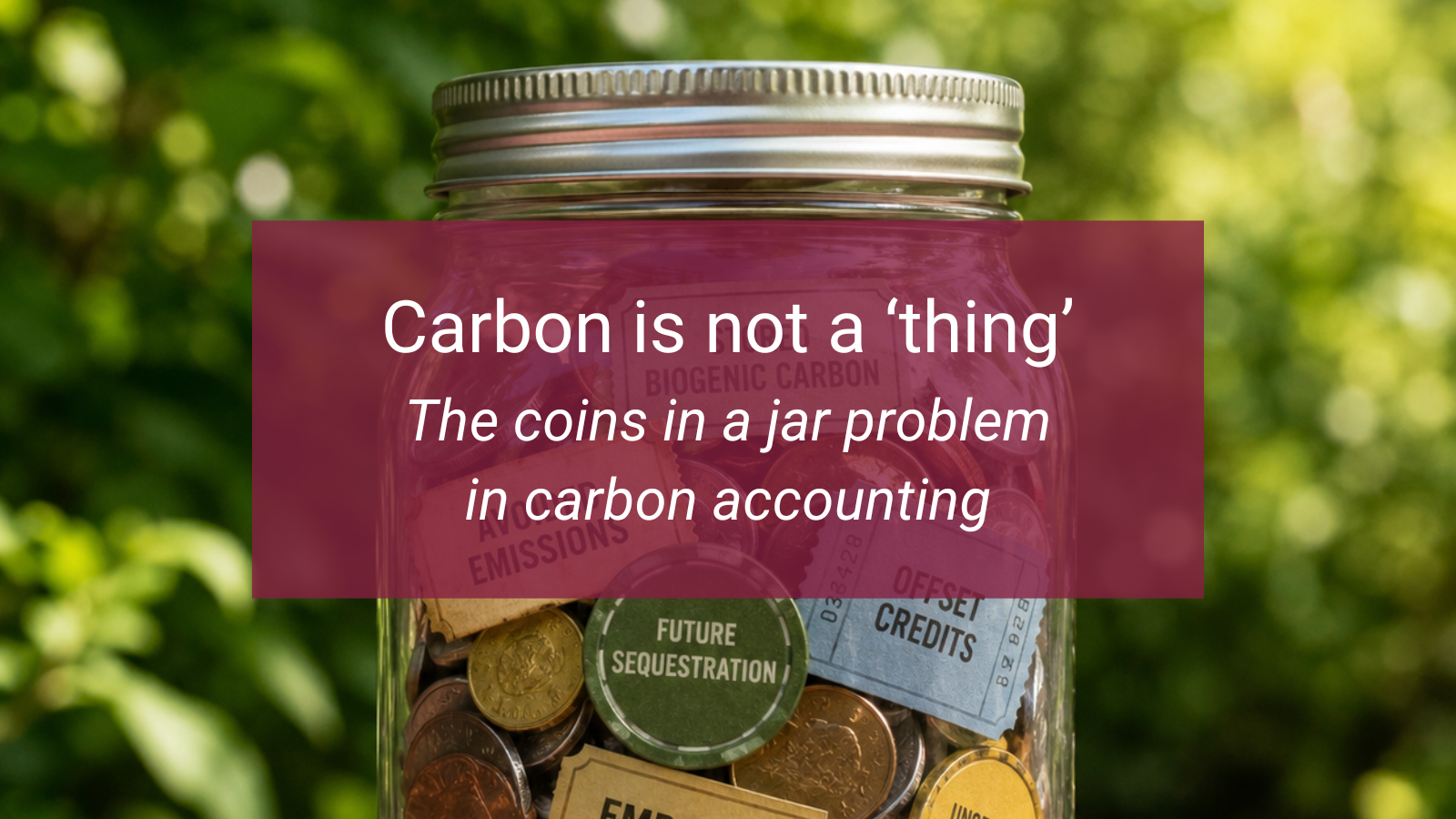
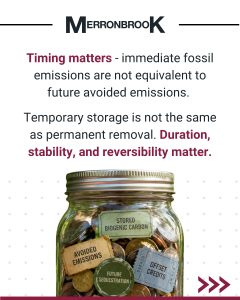
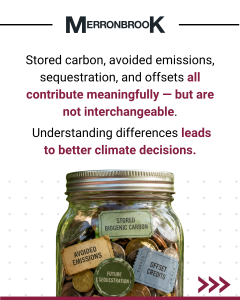
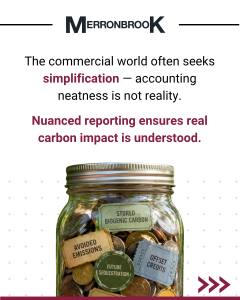
As our Technical Director, Andy Gibson explains, this is like a jar of coins: dollars, pounds, and euros all have value, but counting them together without separating them gives a misleading picture. Similarly, treating all carbon as a single number creates a false sense of equivalence.
For example, timber offers significant benefits, storing carbon and displacing more carbon-intensive materials. However, outcomes depend on forestry practices, storage duration, and broader system impacts.
The commercial world values simplified carbon metrics for decision-making, but oversimplification can be misleading. A single carbon number may hide differences in timing, permanence, and certainty. Treating all mechanisms as interchangeable risks rewarding neat accounting over real atmospheric impact.
In his article, Andy discusses the five key carbon mechanisms, explains why understanding matters, and shows how transparent reporting supports better carbon-reduction decisions.
Read the full article here: Carbon is not a ‘thing’ – The coins in a jar problem in carbon accounting
Our Carbon is not one thing carousel summarises the key takeaways in a simple, visual way:

LET’S COLLABORATE TO BUILD A MORE SUSTAINABLE FUTURE – GET IN TOUCH:
📞 01252 844747
📧 webenquiries@merronbrook.co.uk